Blog
Category: Insurance

What is an Explanation of Benefits (EOB)?

What is an Explanation of Benefits (EOB)?

What is an Explanation of Benefits (EOB)?

Health insurance companies provide EOB’s or Explanation of Benefits statements after individuals receive their health care services. While it may look like a bill, it isn’t —though it can contain important cost-related information that affects what the patient may ultimately owe.

Let’s break down what an EOB is, how it works, and how Preferred Direct helps insurers deliver them clearly, securely, and efficiently.

What is an EOB?

An Explanation of Benefits is a document issued by a health insurer to explain how a specific medical service claims were or is currently being processed. It details the services provided, the cost of services, how much of the insurance claim was paid by the insurance company and how much is outstanding, based upon the costs of the care provided and the individual’s health insurance plan.

The EOB usually includes a clear disclaimer at the top: “This is Not a Bill.” Despite this, the EOB can often resemble a bill, making it easy for the patient to confuse the two. All patients should carefully review the EOB before making any payments, as the amounts may differ once the insurer’s portion has been processed.

What’s Included in an EOB?

A standard EOB includes the following key information:

  • Date and type of service provided
  • Provider’s name and contact information
  • Amount billed by the provider
  • Amount allowed by the insurer
  • Amount paid by the insurer
  • Patient’s remaining responsibility (co-pay, deductible, coinsurance)
  • Policy-specific details, such as the patient’s deductible status or annual out-of-pocket expenses

To illustrate with an example, consider an allergy screening. The allergist charges a set fee for service, and a health insurer pays a certain amount of that, which is dictated by the individual policy, deductible amounts, and other variables. Individuals usually pay a co-pay at the time of appointment but may owe more money later once the insurer processes the claim if there’s a difference in the service cost and what the insurer will cover.

Medical vs. Dental EOBs

EOBs generally come after any medical or dental service is provided. Dental EOBs are similar to medical EOBs in form and function and have the same requirements. However, since dental insurance is limited in its coverage, patients who need extensive dental procedures may owe far more than they would for medical care.

Why do EOBs Matter to Patients?

An EOB is more than some administrative paperwork received in the mail —they provide important transparency for patients managing their care and finances.

Reviewing them helps patients to:

  • Confirm the correct services were billed
  • Verify that the services were billed at the correct amount
  • See how their benefits are being applied
  • Track their deductible and any out-of-pocket limits
  • Identify any potential errors or unauthorized claims

The information included in the EOB helps the insured to better understand the full scope of what was covered, and what they owe. While EOBs help explain medical billing information to the insured, they can be challenging to understand, and errors can happen. Many patients need to call their insurer to ask targeted questions, so they can better understand both the EOB form and any subsequent medical bills that arrive.

How Preferred Direct Supports EOB Delivery?

Preferred Direct helps insurers generate and deliver EOB statements that are clear, timely, and tailored to the needs of each recipient.

We offer:

  • Statement Generation – Our systems turn health data into professional, policy-specific EOB documents.
  • Print-on-Demand We print EOBs quickly and accurately as claims are processed, reducing turnaround time.
  • Variable Data Printing– We ensure each patient receives a personalized and easy-to-follow statement to better understand their services and coverage.
  • Data Security – We maintain HITRUST certification and keep up to date with all HIPAA requirements so that we can serve our insurance industry customers.

Our services make the EOB process simple, secure, and efficient—so your internal team can stay focused on serving members and managing claims.

Conclusion

An Explanation of Benefits is a vital communication tool for both the insurers and the insured. It helps provide transparency in healthcare billing and claims as well as tracking annual deductibles and out-of-pocket costs.

Preferred Direct specializes in generating personalized EOBs that help your patients understand their insurance claims with speed, accuracy, and professionalism. Ready to learn more? Read our “Do You Know Your Explanation of Benefits Mailing Requirements?” blog to understand specific mailing requirements or contact our team to get started on a project estimate.

More Blogs from Preferred Direct

About the authors

Read More
Do You Know Your Explanation of Benefits Mailing Requirements?

Do You Know Your Explanation of Benefits Mailing Requirements?

Do You Know Your Explanation of Benefits Mailing Requirements?

Health insurance providers are required to send Explanation of Benefits (EOB) statements after a patient receives health care services. These forms detail how a claim was processed, including what portion was covered by the insurer and what amount, if any, remains the patient’s responsibility—based on the individual’s healthcare plan and the cost of care. Because EOBs contain sensitive medical and financial information, they are protected under HIPAA regulations. As a result, insurers must follow strict guidelines regarding how EOBs are generated, delivered, and stored—balancing compliance with patient privacy and communication preferences.

EOB Mailing Requirements

HIPAA Compliance & Mailing EOB’s

While some patients choose to view their Explanation of Benefits online, many patients are reluctant to view sensitive information online and would prefer to receive a hard copy by mail.

Our  Statement Generation  or  print on demand services make it simple to create and mail personalized EOB statements to users as the need arises. HIPAA’s privacy rule affects statement generation and EOB mailing requirements.

Key EOB Mailing Requirements

  • Protected Health Information (PHI) must be secured during all stages of handling—printing, storage, transport, and delivery. PHI includes any data that identifies a patient and relates to their health conditions, treatments, demographic information, or payment.
  • Mailings must comply with HIPAA Privacy and Security Rules. HIPAA does not mandate how EOBs are delivered (paper vs. digital), but it does require that delivery methods safeguard patient privacy.
  • Patients must be given the option to receive paper EOBs, unless they have explicitly opted for electronic delivery. This is reinforced by recent rules under the 21st Century Cures Act.
  • Mailings must be addressed to the correct individual or authorized party. Variable data printing should be used to ensure personalization and prevent mismailing.
  • Adolescent privacy protections apply. In some cases, insurers may be required to send EOBs confidentially for minors or dependents (especially regarding sensitive services), depending on state law.
  • Mail vendors must sign a Business Associate Agreement (BAA) with the health plan or provider if they handle PHI. This is a legal requirement under HIPAA.

Given that your medical organization must comply with HIPAA, any direct mail or electronic service you work with must have a thorough understanding of HIPAA and its privacy laws, and be able to send out confidential medical information in an appropriate manner. Knowing your EOBs is important. Preferred Direct complies with all HIPAA requirements.

An insurer cannot be held liable if a patient’s confidential information is disclosed when all proper measures are taken. However, if an insurer does not take proper steps to preserve the integrity of private information, and they are found to be negligent, they will face fines that range from $100 to $50,000 for every violation.

Protected vs Non-Protected Healthcare Mailings

Direct communication companies, like Preferred Direct, provide insurers with a range of medical statements, including EOBs, medical bills, plan benefits, and other healthcare forms, electronically or hard copies. While healthcare marketing materials may not have any private patient information, thus be exempt from HIPAA.  An individual’s sensitive medical forms must have their confidentiality protected.

Sending EOB Statements

Preferred Direct is a knowledgeable partner for insurers who want to outsource their billing to a third party who can provide fast, accurate, and HIPPA-Compliant statement generation or electronic communication services. Since direct communication companies specialize in printing and sending campaigns, hard copies, or electronically, they can do it efficiently.

Outsourcing EOB Mailings

Outsourcing this service also saves time while allowing employees to focus on mission-critical tasks. Patients enjoy receiving accurate materials promptly.  Preferred Direct’s communication services generally accept health data in a variety of formats, including .csv, .xls, or .txt. Direct communication companies using the supplied data will generate an accurate Explanation of Benefits statement.

Preferred Direct also offers e-billing services, in which medical bills and EOB statements can be generated and electronically transmitted through patient online portals or emailed, streamlining the EOB mail process for insurers.

Key Outsourcing Considerations

Confidential Personalization. Since forms must be addressed to individual patients as part of HIPAA compliance, look for a direct mail shop that offers variable data printing, in which patients’ names and other unique data can be included in the mailings for customized, meaningful communication.

Compliance & Certifications. To ensure security and confidentiality protection, insist upon a direct mail provider that has a HITRUST certification and maintains HIPAA compliance, which is the most common security framework for healthcare data in the U.S.

Preferred Direct has HITRUST certification and keeps up to date with all HIPAA requirements so that we can serve our insurance industry customers.

Industry Mailing Experience. Not only are we attentive to the healthcare industry requirements, but we also offer highly efficient direct mail services. Since we use match mailing and postage automation services, we can efficiently process and send an Explanation of Benefits statement to thousands of members while saving money.

Inventory & Product Diversification We create and maintain customized printing products for our customers, and we update our in-house stock with measures for inventory control. This way, we’re always ready for your next mailing. Whether you’re looking to outsource all of your medical statements, marketing collateral, member handbooks and more, look for a printer that is an all-in-one source to streamline communications and order management.

Conclusion

When you are dealing with Explanation of Benefits you must be certain that all HIPAA rules are met.  Be especially careful with any and all information relative to the person, and that information should be treated with the utmost confidentiality.

There are savings to be had by outsourcing the EOB statements to a competent print and mail production house. Consider Preferred Direct, the preferred print and mailing partner for health and insurance enterprises nationwide. Request a project estimate or receive some samples to get started.

More Blogs from Preferred Direct

About the authors

Read More
What is a Corporate Social Responsibility Report and How Should You Share it?

What is a Corporate Social Responsibility Report and How Should You Share it?

What is a Corporate Social Responsibility Report and How Should You Share it?

As consumer demand for corporate transparency and responsibility continues to rise, companies have responded with a variety of reporting strategies to share their impact with customers, employees and investors. One way for companies to communicate this information is through Corporate Social Responsibility (CSR) reporting, sometimes also referred to as Corporate Sustainability Reporting.

CSR reports are documents that outline the social and environmental impact of a business, often organized into four main categories—environmental, ethical, philanthropic and economic. These documents serve as a framework to measure and report company performance against long- and short-term goals in a digestible format for internal and external stakeholders.

In some countries CSR reporting is mandatory and follows a standard outline. Although there are currently no standards or regulations for CSR reports in the US, 92% of S&P 500 companies published one in 2020.

How to create a Corporate Social Responsibility report

Since there are no set rules for CSR reporting in the US, companies have the flexibility to report what makes the most sense for their business. Typically, corporations use their ESG (Environmental, Social, Governance) or GRI (Global Reporting Initiative) models to generate the outline and expand as they see fit. No matter which sustainability framework your company aligns with, the main body of the document serves to inform the audience of company goals related to societal and environmental impact, and report on progress.

For example, a CSR report outline may look something like this:

  • Letter from the CEO
  • Company values & messaging
  • Company statistics, locations & leadership
  • Summary of your CSR approach
  • How it aligns with ESG guidelines
  • Key goals and performance metrics
  • Outlook for the future

How to share your CSR report

Once you’ve gathered your data and crafted an easy-to-read report, it’s time to share your hard work with stakeholders. Some companies choose to print them, some go fully digital and others choose a combination of the two. Your audience will likely have different preferences for reading the report, so we recommend producing both a digital-native version and a tangible printed copy. As full reports can get quite lengthy (some over 100 pages), it can also be helpful to provide a summary version, which sums up the highlights of your report into a skimmable booklet.

CSR sharing options:

  • Publish a CSR section as part of your annual report or company newsletter
  • Print a postcard or brochure with your CSR highlights, include instructions for how to access the full report online
  • Use transpromo marketing in your transactional mail to highlight CSR initiatives with a QR code or custom link leading to the digital report
  • Announce your CSR report with a direct mail campaign, use a QR code to lead recipients to a landing page with a summary of results and the full digital report download

How can Preferred Direct help

Whether you choose to publish your Corporate Social Responsibility results in an annual report, company newsletter, or a direct mail campaign, you can trust us as your premium print partner to get the job done. Contact the Preferred Direct team to learn more about our design, print and distribution capabilities and get started with your CSR report today!

More Blogs from Preferred Direct

About the authors

Read More
Elevate Your Postcard Campaign with Specialty Print Effects

Elevate Your Postcard Campaign with Specialty Print Effects

Elevate Your Postcard Campaign with Specialty Print Effects

Postcards can be a powerful, direct marketing tool, but standing out in a crowded mailbox requires more than just great design. Adding specialty print effects to your postcards can transform your direct mail campaign into a high-end, tactile experience that converts.

Preferred Direct offers a variety of specialty print finishes that can add a premium feel to your direct mail postcard campaigns. Let’s take a look at some of the options available to enhance your next print campaign.

Metallic Inks – The Budget-Friendly Option to Foiling

Metallic inks contain reflective particles that mimic the look of foil without the need for expensive substrates or foil stamping methods.

These shimmering inks can enhance your premium postcard campaigns, providing an upscale, polished look. We suggest pairing metallic inks with rich, jewel-toned colors like navy, burgundy or black. It helps the metallic effect POP off the background and creates a more luxury feel.

Design inspiration:

  • High-end product promotions (jewelry, luxury fashion, automotive)
  • Elegant event invitations or VIP offers
  • Exclusive club memberships and premium service announcements


Fluorescent Inks – A Bright Way to Catch Attention

Fluorescent inks are formulated with specialized pigments, which absorb and emit UV light to provide a glowing, neon effect.

We suggest using these inks sparingly to draw the viewers’ eyes to important information or call-to-actions (CTA’s). These bright colors are especially useful for sales advertisements or limited time offers and can give the appearance of a personalized, hand-written postcard.

Design inspiration:

  • Limited-edition or limited time offers for dealerships and realtors
  • High-end fitness or beauty brands with a vibrant, energetic brand voice
  • Informational finance and legal postcards for clients


Tactile Coatings – A Touch of Luxury

Tactile coatings provide a textured finish to a print surface, such as soft touch coatings, grit coatings, matte varnish, embossing, and more. The most popular option is soft-touch, which creates a velvety feel across the postcard.

Add this as a flood coating to stand out immediately when recipients handle their mail pieces or add as a spot coating to draw attention to details like car leather.

special effects printing

Design inspiration:

  • Luxury fashion, cosmetics, and high-end electronics
  • Premium real estate listings
  • Special event invitations


Specialty Coatings – Add Contrast and Shine

Specialty coatings are used to give visual interest to printed pieces. Popular choices include high-gloss and matte, used alone or together to create visual depth in high contrast designs.

Our favorite approach to specialty coating is giving rich, vibrant images a boost with gloss coatings and create a striking contrast with a super matte coating in non-image areas. This will add a sheen over key visuals to grab attention, while leaving the key text areas easy to read.

Design inspiration:

  • Premium travel and hospitality promotions
  • Upscale real estate and interior design showcases
  • Gourmet food and beverage branding


A successful direct mail campaign starts with reaching your audience, but the real success lies in capturing their attention and inspiring action. Specialty print effects are a great way to add memorable details that elevate your postcards and improve your campaign ROI. Preferred Direct is proud to have recently installed a new HP Digital Press capable of running high-end, specialty printing inks and coatings for your next luxury campaign. Contact our team today for expert advice on your next campaign and explore our specialty print and postcard options.

More Blogs from Preferred Direct

About the authors

Read More
How to Increase Billing ROI with Transpromo Marketing

How to Increase Billing ROI with Transpromo Marketing

What is Transpromo Marketing?

Transpromo marketing, short for “transactional-promotional” marketing, is the practice of merging transactional documents (like bills, invoices, or account statements) with promotional content. These documents are already being sent to customers as part of regular businesstranspromo marketing example operations, making them a cost-effective channel for adding marketing messages. When done strategically, using billing documents as a dual-purpose tool to both inform customers and drive revenue has massive potential to increase ROI.

Transform Billing into a Revenue Driver

By combining billing with carefully crafted promotional content, businesses can transform routine mailings into a powerful marketing tool. For example, a billing statement could include a promotion for a new referral program, or a utility bill might highlight discounts for energy-efficient lighting and power cords.

By integrating advertisements, cross-sell offers, or informative content into billing documents, you leverage the high open and read rates of transactional mail. Viewers are more likely to open a bill, than they are to open unknown promotional mail.

The key lies in personalizing these promotions. Using customer data and variable data printing (VDP), businesses can tailor the message, piece by piece, to align with the recipient’s known needs, demographics or habits.

transpromo bill printing

Why Does Transpromo Work?

Transactional documents boast some of the highest engagement rates in the direct mail space. Customers are known to likely to open, review, and retain them. Incorporating promotional content into these documents helps your message reach a highly attentive audience.

Additionally, this approach eliminates the need to send separate promotional mailers, reducing marketing costs while maximizing impact. This dual-purpose format is especially effective for financial institutions, business and home services, universities, utilities, healthcare providers, and subscription-based services.


How Preferred Direct Marketing Maximizes Transpromo Potential

Preferred Direct Marketing specializes in creating customized financial documents that seamlessly combine essential transactional information with eye-catching promotional content. With expertise in secure data management, advanced printing techniques, and integrated direct mail strategies, PDM ensures that every piece of transpromo material delivers measurable results.

Leveraging financial documents as a marketing channel is a low-cost, high-impact way for businesses to reach their customers. Utilizing personalization techniques such as variable data printing can help boost billing ROI by connecting essential customer information with promotional messages that resonate with their needs.

Contact PDM today to get started with your own transpromo marketing campaign and see the ROI for yourself!

More Blogs from Preferred Direct

About the authors

Read More
Maximizing Open Enrollment Success: 6 Key Print Materials Every Insurer Needs

Maximizing Open Enrollment Success: 6 Key Print Materials Every Insurer Needs

Maximizing Open Enrollment Success: 6 Key Print Materials Every Insurer Needs

insurance marketing

Open enrollment is a crucial time for insurance companies to attract new members and retain existing ones. In the competitive marketplace, print insurance marketing remains a tried-and-true strategy for communicating your benefits and value to potential policyholders. In this blog, we’ll explore six essential insurance print materials to maximize open enrollment success and elevate member experience.

Direct Mail Open Enrollment:

Direct mail marketing remains a powerful tool for reaching new members and reminding existing ones during open enrollment. Postcards, mailers, letters, and advertisements come in all shapes and sizes and can be used to send personalized messages, promotions, renewals, and important information about insurance plans. Direct mail allows potential policyholders the time to review and research your offerings, directly or online. With Preferred Direct’s experience and technology in direct mail services, we’ll help you create eye-catching designs with a strong call to action and targeted audience to increase your campaign ROI.

Printed Newsletters:
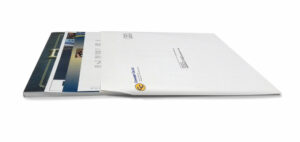
open enrollment direct mailCreating a printed newsletter, with professional finishing such as saddle stitch binding, will certainly leave an impression. This print insurance marketing approach not only caters to a diverse demographic, including those who may prefer traditional communication methods but also makes it more likely to be noticed and retained. Including member benefit summaries, featured doctor and hospital news, and even a nutritional cooking recipe, can help create an engaging newsletter that establishes a tangible connection with your audience, encouraging policy enrollment and retention.

Third Party Billing:

Third-party billing can provide a seamless process for collecting premiums, deductibles, and communicating coverage details. These documents should be designed with the utmost clarity to ensure that policyholders can easily understand their financial responsibilities. Preferred Direct is a HIPAA-compliant and HITRUST-certified printer, excelling in high-quality third-party billing services. We take pride in making sure your customers have a smooth experience during open enrollment and billing because we know happy customers can equal lifetime policyholders.

Explanation of Benefits:

Explanation of Benefits (EOB) statements are essential for policyholders, providing a breakdown of the costs associated with their services. Just like third party billing, having a professional and concise EOB document and communication process will improve your member experience making them more likely to renew each year.

Member Handbooks:

Member handbooks are valuable tools for insurance companies seeking to provide their policyholders with comprehensive information about their coverage. These handbooks serve

book printing services fulfillment

as a go-to resource for policyholders, offering details on benefits, claims procedures, network providers, and other essential information. A well-structured member handbook can be a valuable asset for both policyholders and insurance companies during open enrollment, fostering trust and confidence in your services. With state-of-the-art printing and finishing technology, Preferred Direct can create a professionally printed and bound resource that strategically covers all your insurance offerings.


Document Printing:

During open enrollment, insurers have a multitude of documents to print, ranging from member forms, contracts, and more. Preferred Direct offers state-of-the-art document printing services that guarantee accuracy, consistency, and professionalism. Your insurance company can rely on us to produce high-quality insurance marketing print materials that reflect your commitment to providing excellent service.

PDM teamPreferred Direct has over 35 years of experience as a second-generation family business working with insurance providers throughout the US. In our experience working with some of the largest insurance companies in the nation, to maximize success during open enrollment, it’s essential to invest in the right print materials. By incorporating third-party billing, direct mail marketing, advertising postcards, explanation of benefits, and document printing into your open enrollment strategy, you can create a comprehensive and compelling marketing campaign. These materials not only convey essential information but also reflect the professionalism and trustworthiness of your insurance company and its services.

For a successful open enrollment season, trust Preferred Direct as your full-service business communication partner. Contact us today to discuss our marketing and design services to help you goals this enrollment season.
More Blogs from Preferred Direct

About the authors

Read More