
In the competitive marketplace, print insurance marketing remains a tried-and-true strategy for communicating your benefits to potential policyholders.
Kickstart Your Accountant Marketing with Direct Mail
Kickstart Your Accountant Marketing with Direct Mail
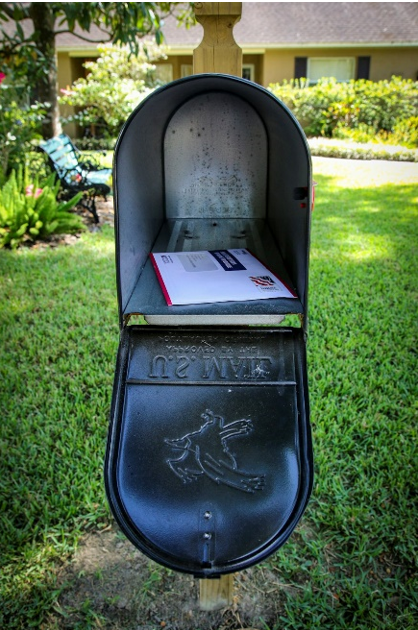
With various tax and annual report deadlines quickly approaching, it’s important to find creative ways to effectively engage your tax and finance clients. Using direct mail as part of your accountant marketing strategy can break through the e-junk clutter and increase sales! Direct mail campaigns provide a tangible and personalized approach, making them an ideal choice for promoting your tax and accounting related services.
Preferred Direct offers services that have helped Accountants nationwide with all 4 steps of their print marketing campaigns: designing, printing, finishing, and mailing. Here’s a comprehensive guide from the Accountant Marketing Experts at Preferred Direct on how to kickstart your marketing with direct mail:
Define Your Target Tax Audience
In order to properly define your target audience, you must identify your ideal clients and tailor your direct mail campaign to address their specific tax and/or finance needs. Consider demographics, location, industry, annual income, household type, and more when creating a targeted mailing list for accountant marketing. For example, let’s say you want to reach clients within 10 miles of your office, every door direct mail (EDDM) is a great option to promote your company to every single house or business within a desired area. Contact Preferred Direct for assistance with EDDM.
Clearly communicate and adapt any special promotions, discounts, or unique offerings that set your business apart to the demographic you’re trying to reach. By defining your target audience properly, you can tailor your message to increase your return on investment (ROI). For instance, for individuals with children or dependents, you can offer a discount for those filing with dependents. However, offering this family-friendly discount to the wrong audience could impact your campaign negatively and make single or childless recipients feel pushed away. That’s why personalization matters!
Campaign Personalization Matters
Now that you know your target audience, you need to capture their attention on a personal level. Customizing your accountant marketing pieces to resonate with individual recipients will make them feel seen and understood, instilling trust in your business. By using variable data printing (VDP) technology, your print partner can incorporate personalized elements such as customer names, specific financial concerns, location landmarks, and other unique information based on the recipient’s profile. Learn more about Preferred Direct’s variable data printing services, here.
Direct Mail Design
It is essential to invest in a professional design that captivates the attention of your accounting clients. Bold brand colors, clear typography, and high-quality images make your direct mail pieces engaging and effective. Consider your printing options; Select your paper type; Black and white or full color print; One-sided or two-sided prints etc. By ensuring that key information is easily read and your branding is prominent, potential clients will know exactly who your company is, what you do and how to contact you. Market additional accounting services in each campaign, such as financial planning, retirement & estate planning, etc., for potential upsells/cross sells and increased campaign ROI. View our infographic on key postcard elements for design tips for your next campaign.
At Preferred Direct, our graphic designers can create captivating artwork to help bring your accountant marketing to life and maximize your return. Ask about our add-on design services for your print and mail campaigns.
Incentives and Discounts
The best way to encourage engagement and to track your ROI is by including exclusive incentives or discounts that can be redeemed. When it comes to finances, clients strongly value professional guidance. Tax Accountants can find success when providing a limited-time promotion, a special rate for first appointments, service coupons or a referral bonus in their direct mail campaigns. Educational resources to help clients understand their finances and possible tax implications are a great giveaway for accountant marketing campaigns as well. Direct mail incentives can boost response rates and create a sense of urgency bringing in leads sooner rather than later. Browse other direct marketing ideas in this blog.
Finish off by clearly stating what action you want recipients to take. Whether it’s scheduling an appointment, visiting your website, or calling for more information, a compelling call to action (CTA) is crucial for driving response rates. Especially with a time sensitive service like filing taxes! Use unique codes, dedicated phone numbers, or specific landing pages to measure response rates. Analyzing results allows you to refine future campaigns for better effectiveness.
Strategic Campaign Timing
Plan your direct mail campaigns to coincide with key accounting milestones. Consider sending initial teasers before tax season officially starts and follow up with reminders and additional promotions as the deadline approaches. College savings planning services in the fall or summer project accounting in the spring are all great accountant marketing campaigns to highlight throughout the seasons.
By following these steps, you can kickstart your accountant marketing with direct mail, ensuring that your message resonates with potential clients, at the perfect time.
Preferred Direct: Experts in Accountant Marketing
Preferred Direct has over 35 years of experience as a second-generation family business working closely with financial organizations throughout the US. Our goal is to help maximize your company’s exposure and engagement this tax season. By making our VDP and direct mail services a part of your tax marketing, you partner with an experienced Print Partner capable of designing, printing, finishing and mailing your best campaign yet!
Let Preferred Direct take care of all your printing and fulfilment needs. We are a HITRUST certified partner prioritizing the security of your sensitive customer and financial data. Contact us to discuss which secure print and mail services will be best for your accountant marketing needs.
Kickstart Your Accountant Marketing with Direct Mail

5 Pro Tips for Your Annual Company Newsletter
In the competitive marketplace, print insurance marketing remains a tried-and-true strategy for communicating your benefits to potential policyholders.

Maximizing Open Enrollment Success: 6 Key Print Materials Every Insurer Needs
In the competitive marketplace, print insurance marketing remains a tried-and-true strategy for communicating your benefits to potential policyholders.
Print-on-Demand: A Game-Changer for Economical Print
With the emergence of Print-on-Demand (POD) technology, customers now have a more economical and efficient solution for their mass printing needs.

Winning Your Campaign with Omnichannel Political Marketing
Preferred Direct is here to guide you through your candidate journey with proven solutions for a successful political marketing campaign.
About the authors

